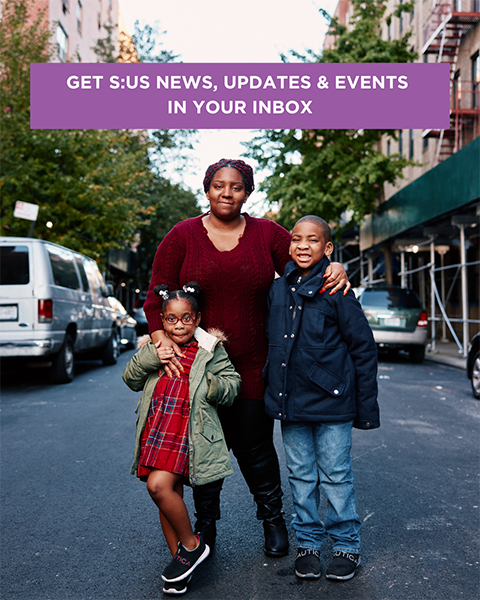
Get the Support You Need, When You Need It
A crisis can happen to anyone. Whether you’re experiencing emotional distress, a mental health challenge, a substance use crisis, or you’re concerned about someone else, S:US offers compassionate support in safe, community-based settings.
We provide two levels of care to help people stabilize, recover, and connect to ongoing support.
Need Help Right Now?
Supportive Crisis Stabilization Center (SCSC)
A safe, welcoming place where singles or families experiencing a mental health or substance use crisis can receive compassionate support.
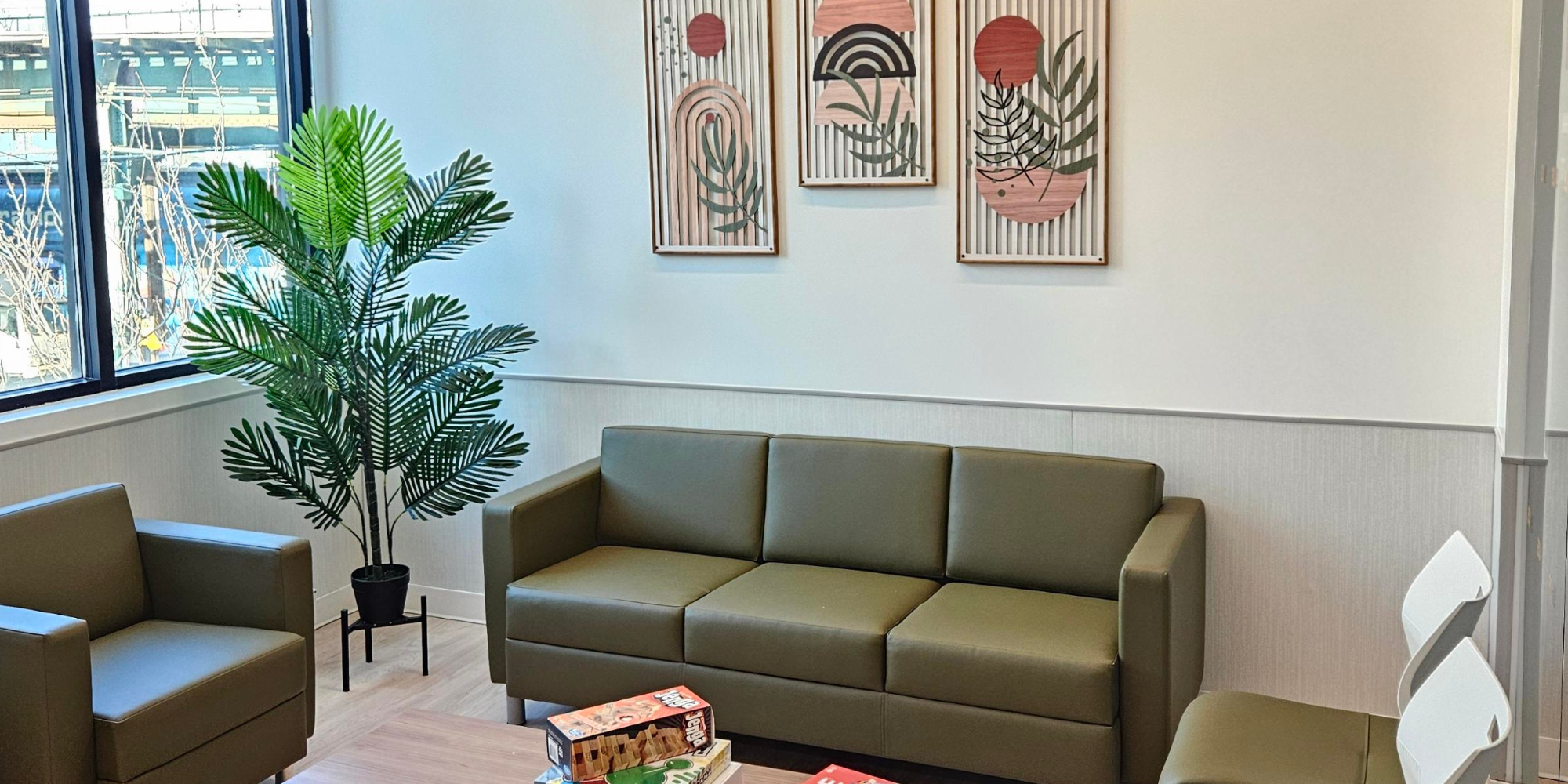
Choose SCSC if you need:
- Immediate support today
- Crisis counseling and stabilization
- Peer support
- Support with referrals
- A safe place to stay for up to 24 hours
Available 24 hours a day, 7 days a week. Walk-ins Welcome, No Appointment Needed.
- Click here to fill out referral form.
Call us anytime: 646‑979‑6337
Email: [email protected]
Visit us:
2862 Fulton Street, Brooklyn
Near Fulton & Barbey Streets
Take J train to Van Siclen Avenue stop
Need More Time and Support?
Crisis Residences
Short-term residential support for adults who need additional time to stabilize, recover, and plan for what’s next.
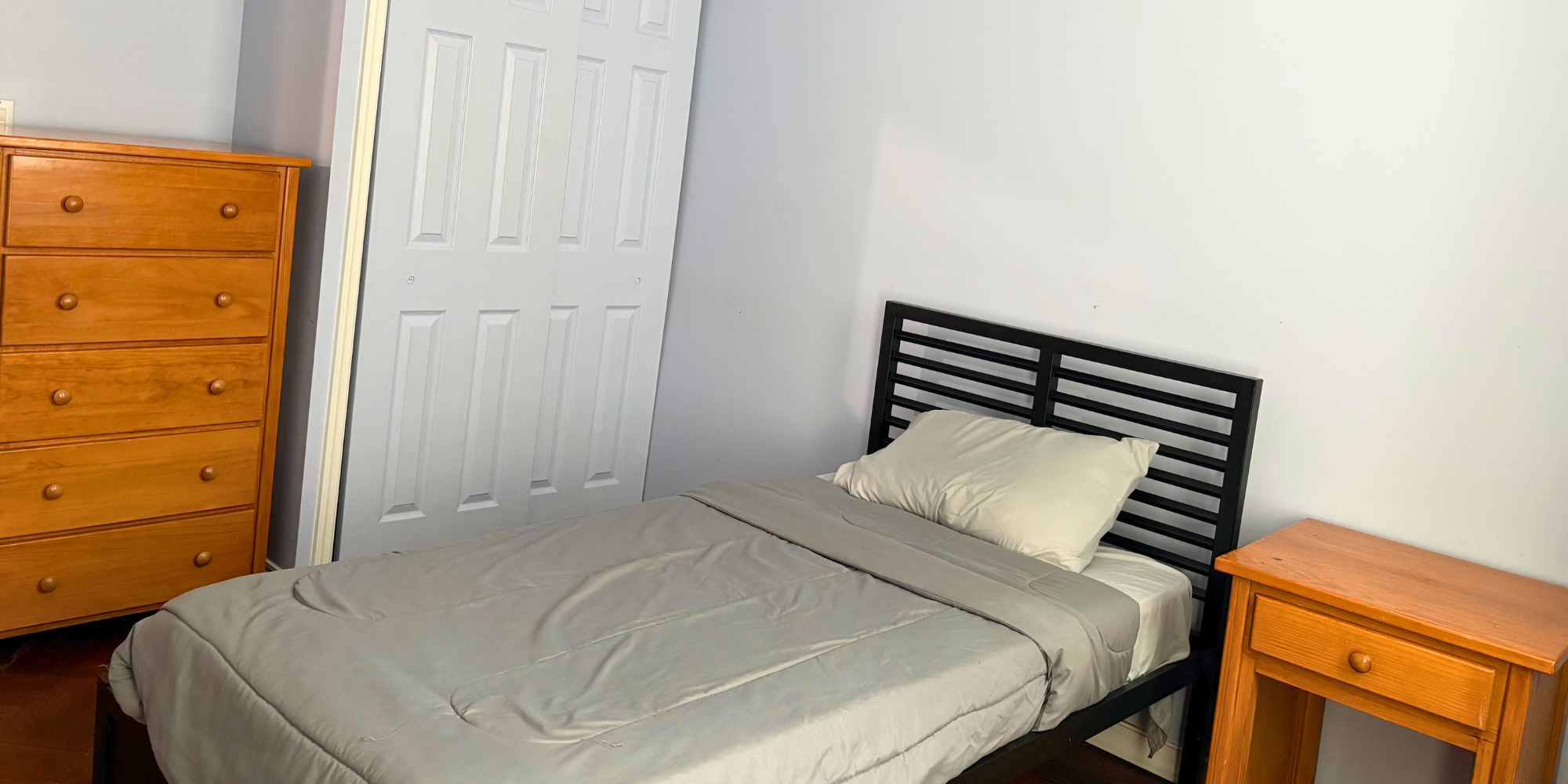
Choose a Crisis Residence if you need:
- A safe place to stay for up to 29 days
- Continued support while in crisis
- A person-centered, recovery-focused environment
- Help building skills and reconnecting with community supports
A home-like alternative to inpatient hospitalization.
- Click here to fill out referral form.
- Two locations:
Ocean Hill, Brooklyn 10‑bed residence, 347‑505‑0870
Williamsburg, Brooklyn 3‑bed residence, 646‑757‑4561 - Learn About Crisis Residences.
Not Sure Which Service Is Right?
Our team can help determine the best option for you, a loved one, or someone you’re supporting.
Whether you’re seeking support for yourself or referring someone else, we’ll guide you through the process.
Call: 646-979-6337
Email: [email protected]
Information for Community Partners
We welcome referrals from:
- Community-based organizations
- Hospitals and emergency departments
- Behavioral health providers
- Mobile crisis teams
- Supportive housing providers
- Shelters and outreach teams
- Individuals and family members