Instead Of Hosting Recognition Events, Start Designing Experiences
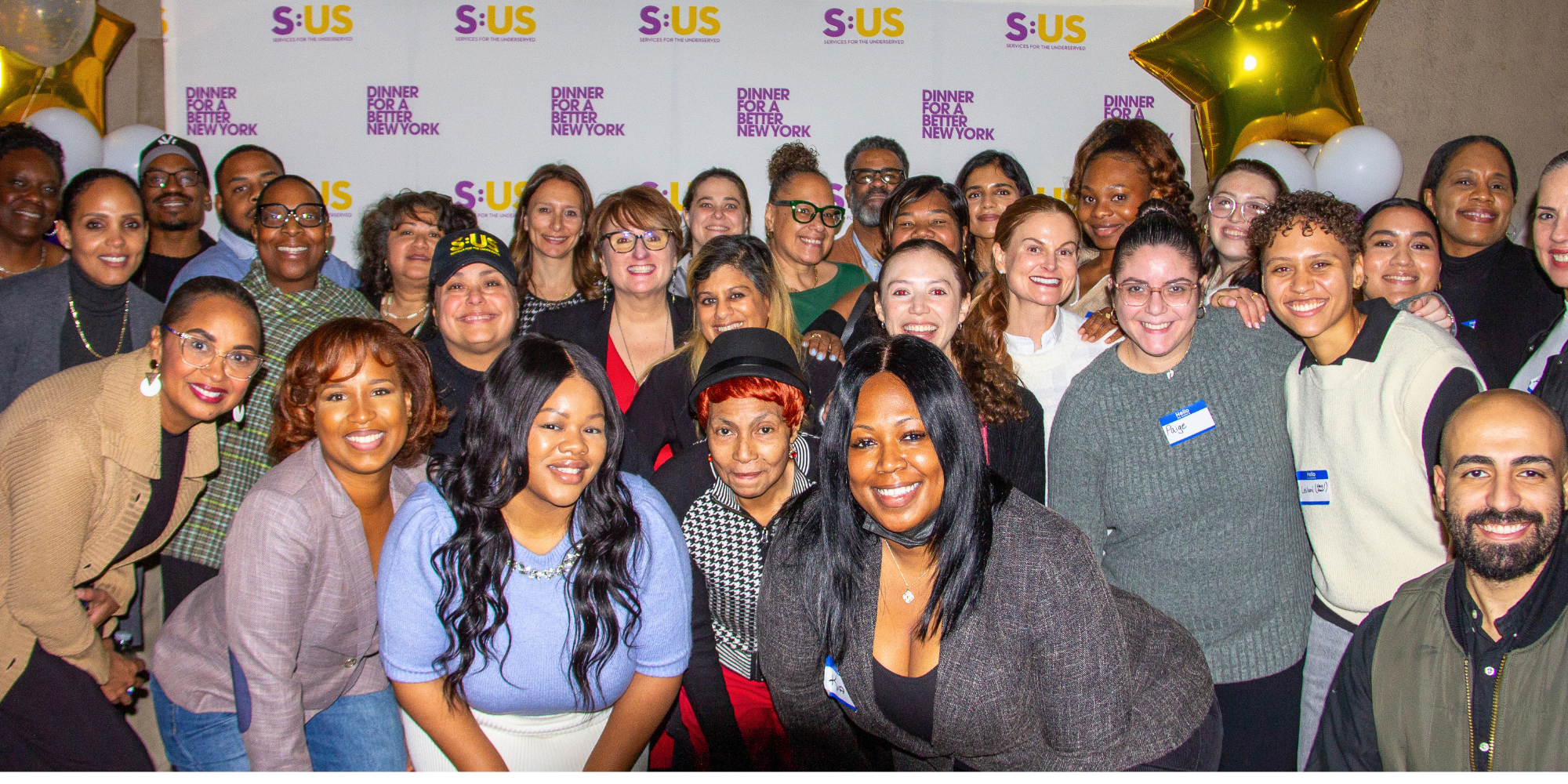
Margaret-Ann Cole (center) and HR team.
April 15, 2026
Forbes
Margaret-Ann Cole, Forbes Councils Member

Margaret-Ann Cole is Chief HR & People Officer, Services for the UnderServed.
In fast-moving organizations, recognizing team members for their hard work is a cultural necessity. Well-executed recognition reinforces strategy, connects people across teams and converts values into behavior. In my work with leaders and people teams, the best events shared one trait: they were designed as experiences, not ceremonies.
As the chief HR and people officer of Services for the UnderServed (S:US), I’m particularly focused on keeping our team morale high, recognizing standout talent and making sure that our organization’s values permeate every level of our workforce.
Below are three proven practices to turn a recognition event into a meaningful experience that elevates performance and belonging.
1. Design With Purpose
At its heart, a recognition event should remind every employee that their effort fuels the organization. But before you pick a venue or order cupcakes, you need to define what success looks like. Start by asking:
• What behaviors are we reinforcing? Tie awards to your stated values and current priorities (e.g., safety, innovation, cross-team collaboration).
• Who is the audience? Is this a company-wide event, or do you want to break it down to business unit, location or function? You’ll also need to consider whether frontline schedules or shift coverage require multiple seatings or a hybrid format.
• What stories do we want told afterward? Imagine how colleagues will talk about the event the next day. What design elements could help ensure positive chatter?
• How will we measure impact? Commit to methods like pulse feedback, engagement signals (e.g., peer nominations growth) and manager follow-ups.
From there, choose the format that best fits your purpose. Depending on your organization, a 60-minute hybrid “spotlight” during an all-hands might make more sense than a quarterly in-person gathering where leaders, honorees and peers mingle.
At S:US, we host an annual event that brings staff together to honor milestones, spotlight exceptional achievements and strengthen our sense of community. We celebrate service in five-year increments, present standout special awards and share an uplifting video featuring colleagues’ stories and accomplishments. A few joyful touches—raffle prizes and creative, mission-focused centerpieces made by people we serve—make the day feel both meaningful and uniquely S:US.
2. Build Fair, Inclusive Nomination And Selection
If employees don’t believe the recognition process is fair, your attempt will land flat. Don’t base awards on word of mouth. Instead, create a formal process to solicit and select awardees.
First, outline clear criteria. Name the specific behaviors and outcomes you’re rewarding, and include examples for how that may look in different roles. This is vital for ensuring nominations are made with the same rubric in mind. Then make the process accessible. Provide translations, ASL interpretation, captions for virtual components and/or flexible timing for shift-based teams. Next, establish a small, trained review committee—with rotating membership—to consider whether finalists reflect your workforce across functions, tenure and demographics. Finally, publish the criteria, timeline and reviewers in advance because transparency invites participation and participation creates momentum.
Historically, most nominations at S:US came from managers, which unintentionally limited visibility into the work of our frontline and overnight teams. So, in 2024, we expanded the process to include peer and self-nominations, then anonymized the first round of reviews so our committee evaluated the submissions based solely on behaviors and impact. There was a significant increase in nominations from programs that had been underrepresented in previous years, and the final group of honorees reflected a more balanced cross-section of the organization. This reinforced what we already knew: When people believe the process is genuinely fair, engagement and excitement grow, and the celebration becomes something the entire organization feels part of. Now, to further strengthen the fairness of our nomination process, we’re planning to provide the option to make short audio or video submissions to encourage employees who are more comfortable speaking than writing.
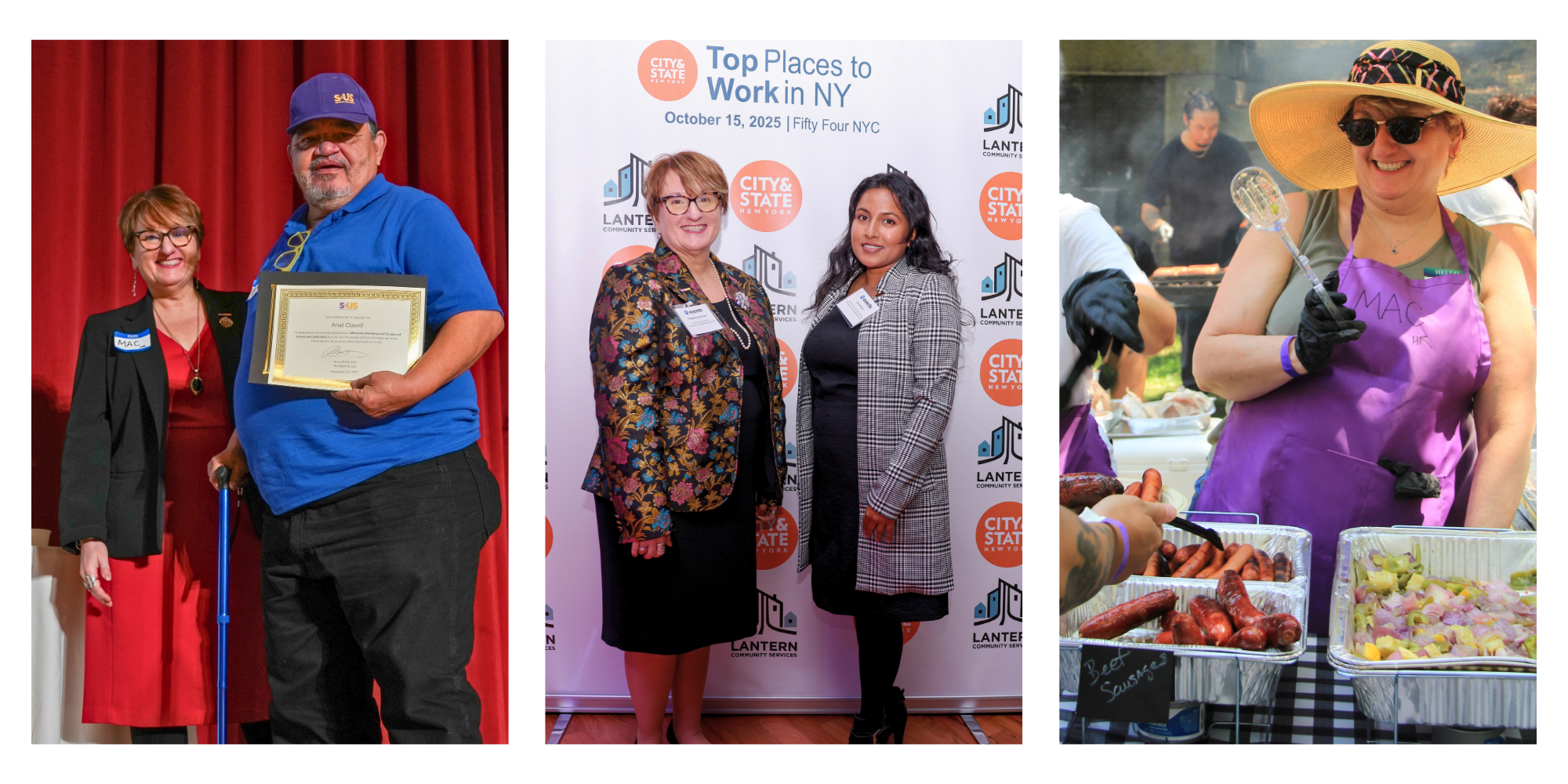
Margaret-Ann Cole at various events with staff.
3. Extend The Impact Into Everyday Culture
The best recognition events trigger a cascade of everyday behaviors that keep the organization’s values front and center. Here are some ways to turn recognition into a system.
• Multichannel Amplification: In the month following the recognition event, publish honoree profiles across communication channels, like an internal newsletter or manager huddles. Create and provide social media templates for honorees who wish to share externally.
• Manager Toolkits: Supply people leaders with ready-to-use talking points, 1:1 prompts (“What work are you proud of this week?”) and team templates to surface unsung wins.
• Peer Kudos At Scale: Make peer-to-peer recognition as frictionless as possible. For example, devote a Slack or Teams channel to kudos or highlight a rotating sample of great work at every all-hands meeting.
• Career Accelerators: Offer meaningful opportunities like stretch assignments, mentorship, conference attendance or lunch with senior leadership as part of honorees’ awards.
Finally, close the loop with transparency. Share what you heard, what you’ll keep and what you’ll change next time. A recognition program that learns out loud builds credibility—and that credibility powers participation.
The Cultural Dividend Of Doing Recognition Right
When recognition is intentional, inclusive and story-rich, it teaches employees how to behave under pressure, collaborate across silos and anchor to purpose when the workload spikes. Over time, you’ll notice the shift: more peer nominations, more cross-team gratitude, faster diffusion of best practices and a steadier pipeline of internal talent ready for what’s next.
Read the original article here.